The Whiskey Rebellion and the Rise of Pennsylvania Rye Whiskey

Most folks around Pittsburgh have heard of the Whiskey Rebellion. Maybe it came up in a history class, or you’ve driven past one of those blue historical markers in Washington County without stopping. The real story is a lot wilder than the marker lets on. In the early 1790s, farmers out here got so angry about a federal tax on their whiskey that the President rode out with an army to deal with them.
Mclaughlin Distillery still distill in Sewickley, under an hour from where much of it went down, so yes, we’ve got a soft spot for it. Here’s what happened, why Pennsylvania rye whiskey owes so much to it, and where you can still see it.
Why the 1791 Whiskey Tax Sparked a Rebellion
The Revolutionary War left the young country deep in debt. Alexander Hamilton, then running the Treasury, figured a tax on American-made liquor would help chip away at it, and Congress passed one in March 1791. Back East, it was mostly an annoyance. Out here it was a different story.
Why Western Pennsylvania Farmers Got Hit the Hardest
In 1791, Washington, Allegheny, Westmoreland and Fayette counties were still frontier. Growing rye was easy. Getting it to a buyer wasn’t, because dragging grain over the Alleghenies cost more than it sold for. Distilling fixed that. Whiskey packed down small, didn’t spoil and fetched a better price, so it worked like money. You could pay the blacksmith in it.
So when the 1791 whiskey tax showed up demanding cash, people were stuck. Hard money was rare out here. Big eastern distillers could pay one flat yearly rate, while a farmer with a small still paid per gallon and usually paid more. Get caught dodging it and you’d be hauled to federal court in Philadelphia, roughly 300 miles away. Turning leftover grain into whiskey had been part of farm life for generations, the same habit any honest Pennsylvania distillery around here grew out of.
How the Whiskey Rebellion Unfolded and Ended
From Tarred Tax Collectors to the Battle of Bower Hill
Trouble started early. In September 1791 a collector named Robert Johnson got tarred and feathered in Washington County, and plenty of collectors after him simply quit.
July 1794 is when it blew up. U.S. Marshal David Lenox and tax inspector General John Neville went farm to farm serving papers on men who hadn’t paid. At the Miller place, somebody fired at them. The next day several hundred armed locals surrounded Bower Hill, Neville’s home. Rebel leader James McFarlane was killed in the standoff, and the house went up in flames.
On August 1, about 7,000 people massed at Braddock’s Field. Pittsburgh was nervous enough about getting burned that townspeople brought out food and plenty of whiskey. It worked. The crowd paraded through town and went home.
Washington Sends the Army
George Washington wasn’t about to let one corner of the country pick which laws counted. He called up close to 13,000 militia from four states and rode with them as far as Bedford, the only time a sitting president has led troops in the field.
By November, when the army reached Western PA, there wasn’t much rebellion left. David Bradford and other leaders had slipped off down the Ohio River, and around twenty men were marched back to Philadelphia. Congress dropped the tax in 1802. Folks here never quite trusted the tax man again, and you can trace that streak straight into the history of moonshine.
What the Whiskey Rebellion Meant for Pennsylvania Rye Whiskey
Monongahela Rye: America’s First Great Whiskey Style
Losing the fight didn’t slow the stills down. Rye from the valleys south of Pittsburgh got a name of its own, Monongahela rye, and for most of the 1800s it was about as famous as American whiskey got. By 1810, Pennsylvania was making two to three times more whiskey than any other state, and Old Overholt got its start in Westmoreland County.
How Kentucky Bourbon Took Over
Some distillers did pack up for Kentucky, where land was cheap and corn grew like crazy. How much the tax pushed them is still argued about, but their corn-heavy whiskey became bourbon. (The legal line between the two is laid out in this piece on bourbon vs whiskey, if you’re curious.)
Pennsylvania rye kept its lead until Prohibition. When repeal came in 1933, most of the state’s distilleries stayed shut. Kentucky rebuilt. We mostly didn’t. Even Old Overholt comes out of Kentucky now.
The Comeback of Pennsylvania Rye
A 2011 change in state law finally made it practical for small distilleries to open and sell straight to customers, and craft distillers across Western PA went right back to rye.
There’s even a bill in Harrisburg, introduced in 2026, to make rye Pennsylvania’s official state spirit. Under it, a “Pennsylvania Rye” would need at least 60% rye in the mash, with at least 75% of the grain from Pennsylvania farms. That’s right in our wheelhouse. Blackburn Rye is the small-batch rye we make here, and it shares its name with Blackburn Road, where the distillery sits.
Whiskey Rebellion Sites to Visit Near Pittsburgh
A few Whiskey Rebellion sites near Pittsburgh fit easily into an afternoon:
- Oliver Miller Homestead, South Park: The Miller farm, where those first shots were fired.
- Woodville Plantation, Collier Township: A Neville family house that made it through when Bower Hill didn’t.
- David Bradford House, Washington, PA: Bradford’s home, still standing long after he ran for it.
- Whiskey Rebellion Festival, Washington, PA: Every July. Reenactors, music, food, the works.
Keeping Western Pennsylvania’s Whiskey Tradition Alive at McLaughlin Distillery
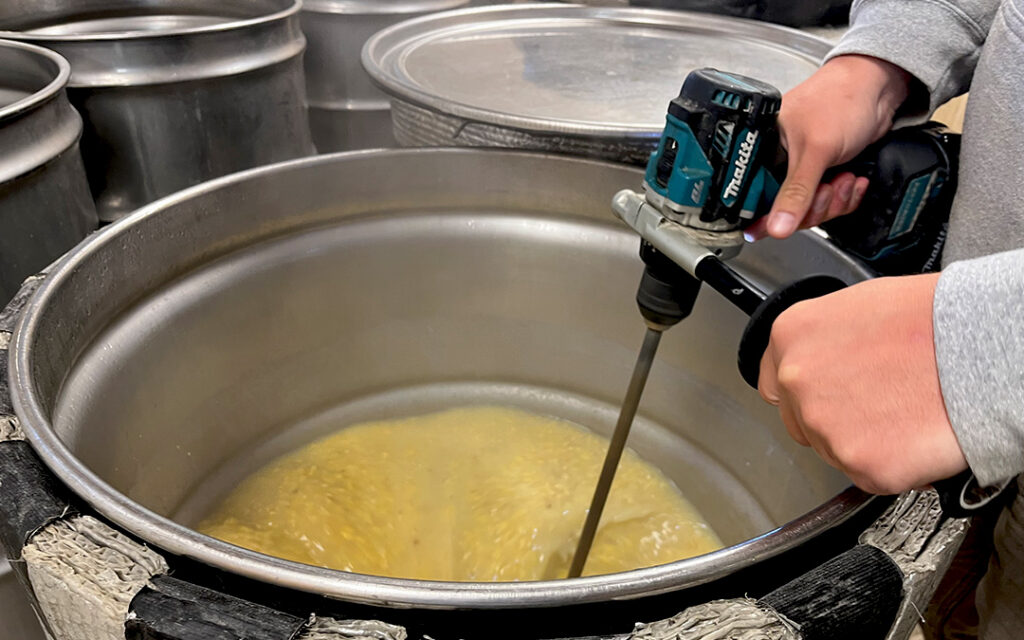
The men who fought that tax were small farm distillers using local grain and simple stills. Honestly, we’re not that different. McLaughlin Distillery sits in the woods of Sewickley Hills, and we make eight bourbons and rye whiskeys there, one small batch at a time.
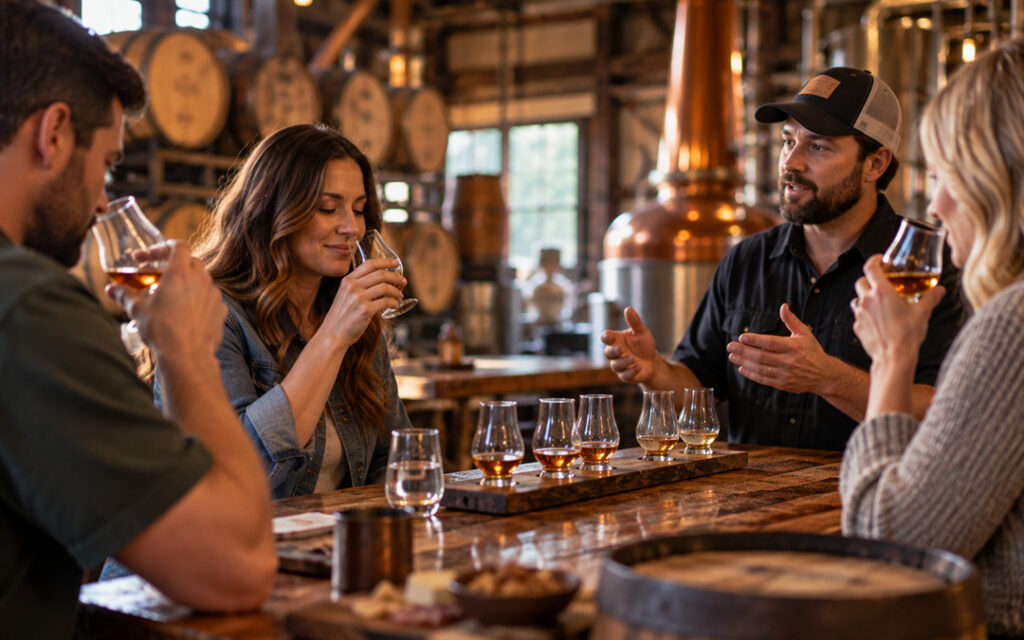
Want to see it? Book a distillery tour near Pittsburgh and we’ll show you everything, mash to barrel (we build our own), then let you taste from more than 40 products. Tours run seven days a week, reservations only.
The Whiskey Rebellion’s Legacy in Every Glass of Pennsylvania Rye
The Whiskey Rebellion was over in a few years, but it’s a big part of why Western Pennsylvania gets called the birthplace of American whiskey. Prohibition nearly wiped out Pennsylvania rye, and small distillers are bringing it back the old way. To try Pennsylvania rye whiskey a short drive from where it all happened, call McLaughlin Distillery at 412-737-1840 or drop us a line at info@mclaughlindistillery.com.
Frequently Asked Questions (FAQs)
Was anyone executed for the Whiskey Rebellion?
Nobody. Philip Wigle and John Mitchell were found guilty of treason and sentenced to hang, but Washington pardoned them both.
What’s the difference between Pennsylvania rye and Kentucky rye?
Mostly the grain. Old-style Pennsylvania rye leaned hard on rye with little or no corn, so it drinks drier and bolder. Plenty of Kentucky ryes add more corn, which softens and sweetens them.
Is rye whiskey spicier than bourbon?
Usually. Rye grain tastes peppery and a little herbal. Bourbon has to be at least 51% corn, which pulls it sweeter.
How long does rye have to age to be called straight rye whiskey?
Two years minimum, in new charred oak. Anything under four years old has to list its age on the label.
Did George Washington make whiskey?
Funny enough, yes. He opened a distillery at Mount Vernon in 1797, mostly making rye, and by 1799 it ranked among the biggest in the country.