Behind the Scenes: How Hands-On Crafting Shapes Pittsburgh Whiskey
The production of spirits in North America has deep historical roots, yet modern commercial manufacturing often distills out the character that original distillers worked so hard to preserve. Industrial facilities lean heavily on computer-controlled stainless steel vats, automated continuous column stills, and rapid oak maturation tricks to pump out thousands of identical cases every day. In this high-volume corporate environment, the subtle nuances of agricultural variation and traditional grain processing are routinely lost to total uniform standardization.
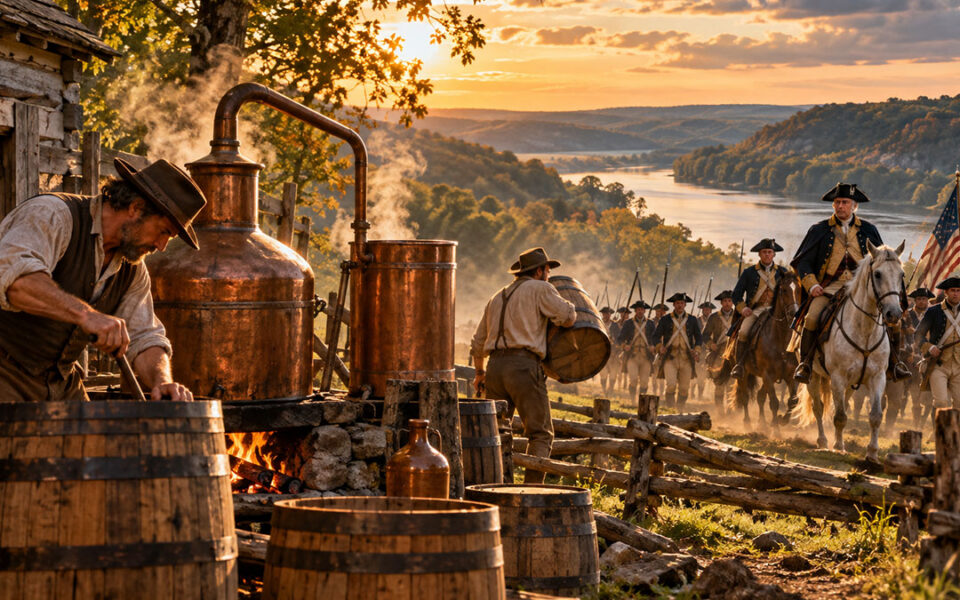
True craft distilling takes the exact opposite direction by placing human senses back at every stage of production. Western Pennsylvania served as the historic birthplace of American whiskey culture during the late eighteenth century, and maintaining that legacy requires strict adherence to physical labor and batch-by-batch oversight. When evaluating authentic Pittsburgh whiskey, the difference is noticeable immediately on the palate. With Pittsburgh whiskey, dedication to unfiltered flavor, unhurried mashing schedules, and direct observation turns a simple spirit into a genuine expression of regional trade and agricultural heritage.
Grassroots dedication and true small-batch principles
Behind every standout bottle of craft liquor is a team driven by raw perseverance rather than stock valuations. Operating independent distilling equipment demands continuous problem-solving, mechanical aptitude, and an unwavering tolerance for hard physical work. At McLaughlin Distillery, founder Kim McLaughlin brought decades of rigorous agricultural discipline from his background as a dairy farmer into the distillery environment. That foundational work ethic, paired with a focus on local community uplift, shapes how the entire facility functions on a daily basis.
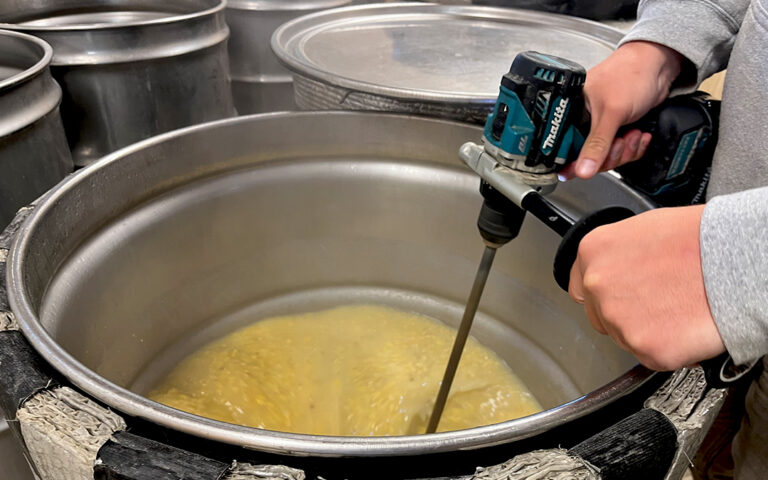
Rather than relying on automated sensors and remote valve systems, the distilling team relies on smell, taste, and physical measurements throughout every single production run. Grain sacks are lifted by hand, mash temperatures are monitored closely, and distillation cuts are determined by experienced distillers monitoring the liquid right off the still. This methodical, unhurried workflow creates a tangible connection between the makers and the bottle. Every batch produced reflects the passion of a dedicated small crew committed to keeping traditional distilling alive in Western Pennsylvania. This unwavering commitment to raw quality ensures that every bottle of Pittsburgh whisky delivers a distinctive character that large corporate distilleries simply cannot replicate.
The technical journey: From raw grain to copper still
Converting raw agricultural crops into a smooth, balanced spirit requires an intimate knowledge of fermentation science and thermal management. While commercial factories run continuous stripping columns to squeeze out every drop of alcohol at lightning speed, an authentic craft house approaches fermentation and distillation as a delicate art.
Every step in the manual production line is chosen intentionally to protect grain flavor and natural aromatic compounds:
- Off-grain fermentation and stripping: By separating sweet mash liquids from solid spent grains before stripping, the distillation process yields an exceptionally clean, grain-forward distillate without burnt husks off-flavors.
- 100% natural mash bills: Sourcing quality grains without artificial enzymes or processing aids guarantees an authentic base that ferments cleanly and naturally.
- Precision cuts by hand: Isolating the smooth hearts of the run from harsh foreshots and bitter tails requires constant physical sampling at the hydrometer parrot.
- Unfiltered aging maturation: Aging high-proof spirits in toasted oak barrels allows natural wood sugars and vanillins to combine slowly without chill-filtration stripping away natural mouthfeel.
This refusal to automate guarantees that every bottle of Pittsburgh whiskey bottled on site retains its natural depth and smooth finish.
Diverse expressions born from hands-on distilling
A major advantage of manual, small-batch distilling is the freedom to innovate without asking a corporate marketing board for approval. Because production runs are kept purposefully small, distillers can experiment with varying barrel toasts, specialized grain proportions, and natural flavor infusions. This creative liberty yields an expansive portfolio designed to satisfy both seasoned bourbon enthusiasts and casual spirit drinkers looking for approachable profiles.
- Traditional aged spirits: Formulations like Cask Strength Baby Barrel Bourbon and signature aged expressions highlight rich oak tannins and deep caramel notes developed during quiet barrel maturation.
- Specialty infusions: Small-batch creations like Mario’s Creamy Limoncello and Devil’s Juice #5 blend smooth grain bases with vibrant flavor profiles.
- Handcrafted moonshines: Unaged pour options ranging from robust clear spirits to creative varieties like Jalapeño, Black Cherry, and Pink Lemonade demonstrate how versatile clean grain alcohol can be.
- Custom barrels and blends: Specialized programs, including interactive age-your-own oak cask kits, allow enthusiasts to experience barrel maturation at home.
Having such a varied lineup shows how versatile Pittsburgh whiskey can be when crafted with real ingredients and unlimited creative freedom.
Visiting the distillery and connecting with the craft
To fully appreciate the labor required to bottle handcrafted spirits, one must step directly into the working distillery space. Located in the picturesque woods of Sewickley Hills at 3799 Blackburn Road, McLaughlin Distillery offers a rustic, welcoming destination that feels completely separated from industrial city life. The air inside smells of rich cooked grain and toasted oak, creating an immersive setting that immediately connects visitors to the region’s historical moonshining heritage.
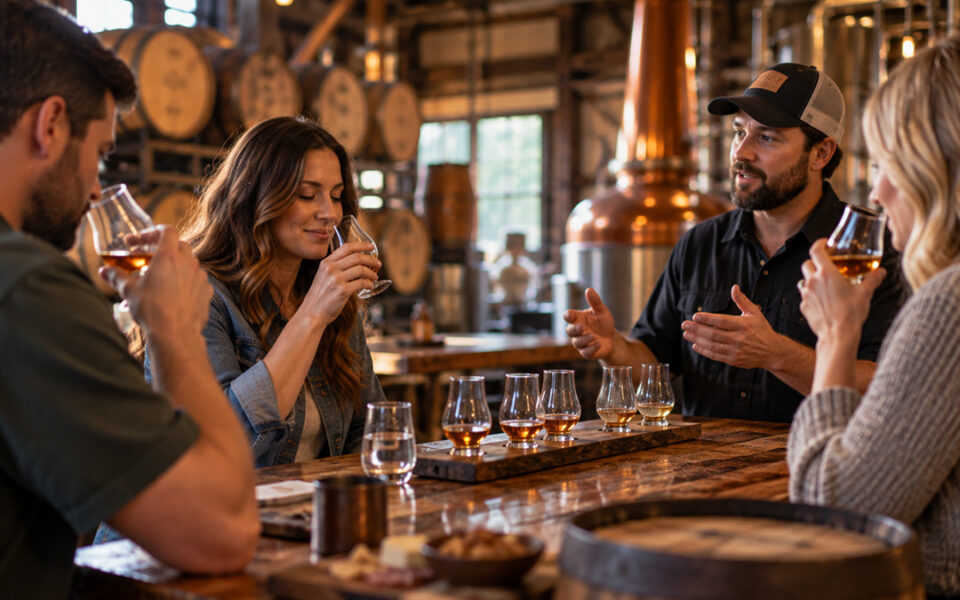
Guests visiting the site receive a personal, behind-the-scenes look at the mashing vessels, copper stills, and ageing barrels. To maintain an interactive and educational environment, public tour sizes are capped at 17 guests per session. This small-group setting gives every visitor a chance to speak directly with the team, ask questions about fermentation science, and sample spirits drawn directly from aging casks. If you are ready to explore these unique flavors for yourself, book a session at our Pennsylvania distillery today. Guided tours and tasting sessions run seven days a week by appointment, giving spirit lovers an authentic taste of real Western Pennsylvania craftsmanship.
Frequently Asked Questions (FAQs)
Below are some commonly asked questions to consider:
How does off-grain distillation affect the final flavor profile of a spirit?
Distilling off-grain involves separating the liquid mash from solid grain hulls prior to stripping. This specialized technique prevents grain solids from scorching inside the still, resulting in a cleaner, smoother distillate that highlights sweet natural grain flavors without astringent or bitter notes.
Are tasting tours at the distillery suitable for group events or custom gifts?
Yes. Tour groups are kept small to ensure an intimate experience, making them ideal for small group outings, family visits, or whiskey enthusiasts. Additionally, custom engraved bottles and personalized barrel programs are available for special occasions and commemorative gifts.
What should visitors expect when sampling unaged moonshine varieties?
Unaged moonshines offer a direct taste of the fermented grain base without oak barrel influence. When made with natural ingredients, clear moonshines are remarkably smooth, making them exceptionally easy to sip neat or mix into creative craft cocktails.