What is Moonshine and Where Does it Come From?

Moonshine is one of the few spirits better known for its story than its taste. Most people can tell you it was illegal and made in the woods. Far fewer could tell you what’s actually in the bottle.
Here’s the history, what’s true in it, and what the word means now.
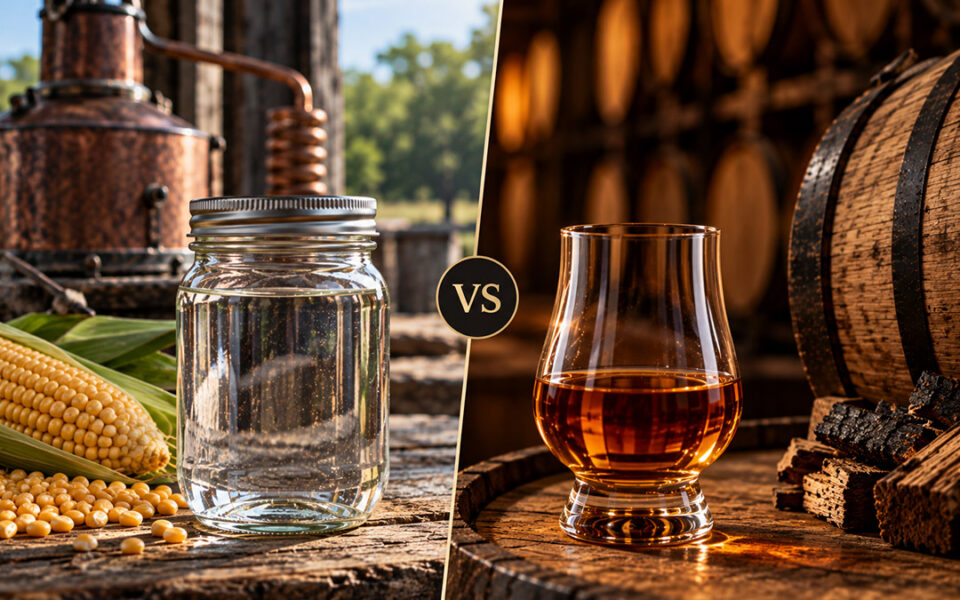
Moonshine is unaged grain spirit, traditionally corn-based. The name comes from distilling at night to avoid tax collectors. Today it’s a legal category made by licensed distilleries. The outlaw associations are historical, not current.
The History of Moonshine in Pennsylvania
American moonshine begins in this part of the country. In the late 1700s, farmers west of the Alleghenies grew more grain than they could sell, and the roads east were too poor to move it profitably. Distilling it into whiskey solved the problem: the same crop, in a fraction of the volume, was worth considerably more.
Whiskey became so central to the local economy that it circulated as currency. When the federal government put an excise tax on it in 1791, farmers in Western Pennsylvania refused to pay, and the resulting Whiskey Rebellion ended with George Washington leading troops into the region.
That’s the origin of untaxed distilling in America, and it happened within a short drive of where we distill today.
The tradition survives: read how a moonshine distillery in Pennsylvania keeps it going.
Where the Name Moonshine Comes From
The word “moonshine” predates America. It was British slang for anything done by moonlight. Applied to spirits, it described the practical reality of working at night, when smoke from a still was harder to spot.
The tradition moved south into Appalachia through the 1800s, where isolation, poor roads, and the same economic logic kept it alive. Prohibition turned it into a national industry. When Prohibition ended, taxes didn’t, and untaxed production continued in pockets for decades.
How Moonshine Started NASCAR
It’s a real one. Runners transporting moonshine needed cars that looked ordinary but could outrun a revenue agent, so they modified engines and suspensions while keeping the bodies stock. Drivers began racing each other on weekends, and the sport that grew out of it became NASCAR.
What Is Moonshine Made From?
Traditional moonshine is corn-based, and corn is what gives it a faint sweetness that a vodka doesn’t have. Made properly, unaged corn spirit is soft rather than harsh. The harshness people associate with it came from bad equipment, rushed production, and no quality control, not from the spirit itself.
Modern licensed production removes those variables. The equipment is built for the job, the cuts are made carefully, and the product is tested.
Is Moonshine Legal Today?
It is entirely legal to buy moonshine and drink it. Every bottle sold by a licensed distillery is taxed and regulated exactly like whiskey or vodka.
Making it at home: not legal. US federal law prohibits distilling spirits without a permit, no matter the quantity and even if you never sell any. Home brewing beer and making wine are allowed; distilling is not. The penalties are federal and serious.
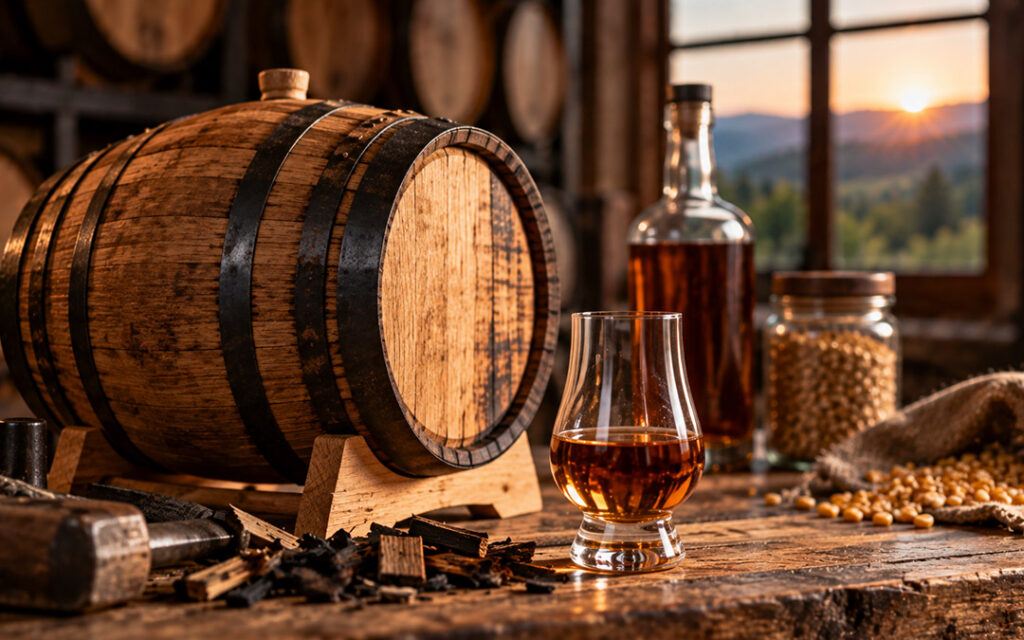
Aging spirits at home, on the other hand, is perfectly legal, because you’re not distilling anything. You’re just putting a purchased spirit into a barrel.
How to Drink Moonshine Correctly
Cold. Straight from the freezer in a small glass is how most people take it, and unaged spirit responds well to cold.
Beyond that, unflavored moonshine works anywhere you’d use vodka but want a bit more character, and flavored versions mostly need nothing at all. Fruit flavors go into lemonade, iced tea and prosecco. Apple pie moonshine is best warmed.
Try Moonshine Made in Pennsylvania
Our unflavored moonshine is the corn base; everything else is built on it. Our flavored moonshine range runs to twenty-two, from peach through to pickle.
We’re in the Sewickley Hills, twenty minutes north of Pittsburgh, on ground where this whole story started, or come and experience our distillery tours in Pennsylvania, run seven days a week and finish with a tasting.