How Fall Weather and Seasonality Shape Your Craft Whiskey Tour Experience

While many spirit enthusiasts view distillery visits as a timeless year-round activity, the time of year you choose to travel profoundly influences what you smell, see, and taste. Unlike massive corporate factory facilities operating under strict industrial climate controls, boutique micro-distilleries are dynamic environments where seasonal weather directly impacts physical spirit production. Scheduling a whiskey tour during crisp autumn afternoons or early evening cool downs reveals a fascinating side of spirit making that warm summer visitors miss entirely. Understanding these autumn dynamics allows spirit lovers to plan visits that align with their preferred sensory experiences, atmospheric preferences, and spirit styles.
Temperature Swings and the Physics of Autumn Barrel Aging
The natural fluctuation of autumn weather plays a fundamental role in how wood interacts with resting alcohol inside aging barrels stored in unheated warehouses. As the intense heat of summer subsides into cooler fall days, the spirit inside oak barrels undergoes a transition. The warm daytime hours expand the alcohol into the pores of the wooden staves, where it extracts wood sugars, vanillin, and rich oak tannins. When crisp autumn night air arrives, the liquid contracts back out of the wood staves, leaving behind deep caramel notes and complex color profiles. Booking a fall whiskey tour offers rare insight into this essential shift, allowing guests to witness how moderate autumn conditions regulate barrel extraction while preserving delicate underlying grain distillate characteristics.
The Shift in Ambient Distillation Aromas
The physical atmosphere inside an active production room undergoes a remarkable transformation as autumn weather takes hold outdoors. Heavy summer heat tends to accentuate volatile mash notes, creating dense scents of cooking corn and warm fermentation that dominate the space. In contrast, cool fall air crispens the room, allowing subtle aromatic nuances of sweet toasted grain, rich rye spices, and charred oak to stand out far more sharply. Taking an autumn whiskey tour provides a clearer and more refined olfactory experience, making it much easier for visitors to distinguish between preliminary mash vapors, raw spirit hearts flowing from the copper stills, and mature barrel aromas during guided production walkthroughs.
Palate Receptors and Autumn Temperature Shifts
Human taste perception and sensory preferences change dramatically depending on ambient indoor and outdoor temperatures during tasting flights. Crisp fall weather naturally inclines human palates toward warm, rich flavor profiles like toasted oak, nutmeg, dark chocolate, and heavy cask-strength expressions that might feel overwhelming during humid midsummer afternoons. Participating in a seasonal whiskey tour during the autumn months highlights high-proof pourings and creamy specialty spirits, as cooler body temperatures heighten appreciation for comforting finish notes and spirit warmth. Tasters frequently discover that the exact same whiskey tastes remarkably different across different seasons due to natural palate shifts and atmospheric temperature variations.
Seasonal Batches and Limited Autumn Harvest Releases
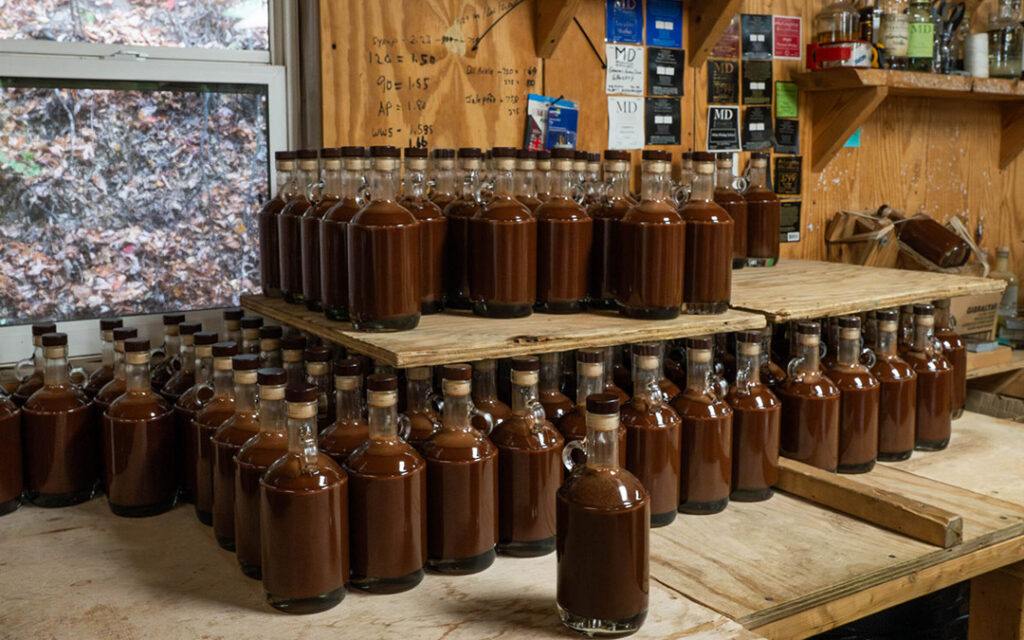
Boutique distillers routinely align their production schedules, bottling runs, and special tasting room releases with fall agricultural harvests and crisp-weather consumer preferences. Autumn months frequently mark the debut of dark, rich specialty spirit lines, apple and spice moonshines, and rich cream liqueurs designed specifically for autumn sipping. Scheduling a seasonal whiskey tasting tour during the fall harvest season increases the probability of encountering freshly bottled small batches or seasonal releases that are completely unavailable during spring and summer visits. These limited seasonal offerings bring distinct variety to tasting flights, giving autumn travelers exclusive access to unique flavor profiles crafted to complement the cooler months.
Choosing the Ideal Season for Your Distillation Adventure
Every single season brings a completely unique personality to craft spirit production, ranging from energetic summer mashing cycles to cozy autumn warehouse aging. Fall visits provide comfortable walking environments, intimate tasting spaces, and exceptionally clear olfactory conditions that highlight the true art of small-batch distilling. When planning an autumn getaway to explore a local Pennsylvania distillery, spirit lovers can embrace these seasonal climate shifts firsthand while discovering how temperature, wood, and time harmonize to produce exceptional handcrafted spirits.
Frequently Asked Questions (FAQs)
Below are some commonly asked questions to consider:
Does autumn weather affect how quickly spirits ferment in craft mash tubs?
Yes, changing ambient temperatures directly influences yeast activity and fermentation speed. Distillers monitor mash temperatures during fall using heat exchangers to maintain ideal conditions, preventing yeast from slowing down as nights get colder.
Are rickhouses and barrel storage buildings climate controlled in autumn?
Most traditional craft rickhouses are unheated and non-air-conditioned to allow natural thermal expansion and contraction cycles. This natural exposure ensures the wood and spirit experience authentic autumn temperature swings throughout the aging process.
Why do high-proof and cask-strength whiskeys feel smoother to drink in fall?
Cooler autumn ambient temperatures lower human palate sensitivity to intense alcohol burn. This shift allows tasters to perceive underlying oak, grain, and spice notes in high-proof spirits without being overwhelmed by initial ethanol heat.